The Pink Hoya Plant: A Stunning Addition to Your Indoor Garden
Are you looking for a unique and stunning addition to your indoor garden? Look no further than the Pink Hoya plant! This beautiful plant is sure to catch the eye of anyone who enters your home, with its delicate pink flowers and lush green foliage. In this article, we'll explore everything you need to know about the Pink Hoya plant, from its origins to its care requirements.
Hoya plants are native to tropical regions of Asia and Australia, where they grow as vines in the forest canopy. The Pink Hoya plant, also known as Hoya Kerrii 'splash', is a cultivar of Hoya Kerrii, a member of the Apocynaceae family. While Hoya Kerrii is typically grown for its heart-shaped leaves, the Pink Hoya plant is prized for its striking pink and white variegated leaves and delicate pink flowers.
The Pink Hoya plant is a low-maintenance houseplant that's perfect for beginners or anyone looking to add some color to their indoor garden. Here's everything you need to know about caring for your Pink Hoya plant.
1. Light Requirements
Like most houseplants, the Pink Hoya plant requires bright, indirect light to thrive. Place your plant near a window that receives filtered sunlight, or use a grow light if natural light is limited. Avoid placing your plant in direct sunlight, as this can scorch the leaves and cause them to turn brown.
If you notice your plant isn't getting enough light, it may to stretch out and become leggy. On the other hand, if your plant is getting too much light, the leaves may turn yellow or brown. Adjust the placement of your plant accordingly to ensure it's getting the right amount of light.
2. Watering
One of the benefits of the Pink Hoya plant is that it's relatively drought-tolerant. This means you don't need to water it as frequently as some other houseplants. Allow the soil to dry out completely between waterings, then give your plant a thorough watering. Be sure to empty any excess water from the saucer to prevent root rot.
3. Humidity
The Pink Hoya plant prefers higher humidity levels, but it can tolerate lower humidity as well. If you live in a dry climate or have central heating, consider using a humidifier or placing a tray of water near your plant to increase the humidity. You can also mist your plant with a spray bottle to provide extra moisture.
4. Soil
The Pink Hoya plant prefers well-draining soil that's rich in organic matter. Use a potting mix designed for tropical plants, or create your own by mixing equal parts peat moss, perlite, and vermiculite. Avoid using heavy, clay-based soils that retain too much moisture.
5. Fertilizer
Feed your Pink Hoya plant once a month during the growing season with a balanced, water-soluble fertilizer. Be sure to dilute the fertilizer to half-strength to avoid burning the roots. You can also use a slow-release fertilizer if you prefer.
6. Pruning
The Pink Hoya plant is a vine and will naturally trail or climb if given support. You can prune your plant to keep it compact or encourage it to grow in a certain direction. Use sharp, clean scissors to make cuts just above a leaf node, where new growth will emerge.
7. Propagation
One of the best things about the Pink Hoya plant is how easy it is to propagate. Simply take a stem cutting that's at least two nodes long, remove the bottom leaves, and place it in a jar of water. Change the water every few days to prevent bacteria growth. Once roots have formed, plant the cutting in soil and care for it as you would a mature plant.
8. Pests and Diseases
The Pink Hoya plant is relatively pest- and disease-resistant, but it can still be susceptible to common houseplant pests like mealybugs, spider mites, and scale insects. Keep an eye out for any signs of infestation, such as webbing or sticky residue on the leaves. If you do notice pests, treat your plant with an insecticide or use a natural remedy like neem oil.
9. Toxicity
While the Pink Hoya plant isn't toxic to humans, it can be toxic to pets if ingested. Keep your plant out of reach of dogs and cats, or consider choosing a different plant if you have pets that like to nibble on foliage.
10. Where to Buy
You can find Pink Hoya plants at many local nurseries and garden centers, as well as online retailers. Be sure to choose a healthy plant with no signs of wilting or damage. You can also look for Hoya Kerrii 'splash' cuttings online if you prefer to propagate your own plant.
The Pink Hoya plant is a beautiful and low-maintenance addition to any indoor garden. With its delicate pink flowers and variegated leaves, it's sure to catch the eye of anyone who enters your home. By following these simple care tips, you can keep your Pink Hoya plant healthy and thriving for years to come.
Frequently Asked Questions
Q1. Is the Pink Hoya plant easy to care for?
Yes! The Pink Hoya plant is a low-maintenance houseplant that's perfect for beginners or anyone looking to add some color to their indoor garden.
Q2. Does the Pink Hoya plant require a lot of light?
The Pink Hoya plant requires bright, indirect light to thrive. Place your plant near a window that receives filtered sunlight, or use a grow light if natural light is limited.
Q3. How often should I water my Pink Hoya plant?
Allow the soil to dry out completely between waterings, then give your plant a thorough watering. Be sure to empty any excess water from the saucer to prevent root rot.
Q4. Can I propagate my Pink Hoya plant?
Yes! The Pink Hoya plant is easy to propagate by stem cuttings. Simply place the cutting in water until roots form, then plant it in soil.
Q5. Is the Pink Hoya plant toxic to pets?
While the Pink Hoya plant isn't toxic to humans, it can be toxic to pets if ingested. Keep your plant out of reach of dogs and cats, or choose a different plant if you have pets that like to nibble on foliage.
Q6. What kind of soil does the Pink Hoya plant prefer?
The Pink Hoya plant prefers well-draining soil that's rich in organic matter. Use a potting mix designed for tropical plants, or create your own by mixing equal parts peat moss, perlite, and vermiculite.
Q7. How often should I fertilize my Pink Hoya plant?
Feed your Pink Hoya plant once a month during the growing season with a balanced, water-soluble fertilizer. Be sure to dilute the fertilizer to half-strength to avoid burning the roots.
Q8. What pests and diseases are common in Pink Hoya plants?
The Pink Hoya plant is relatively pest- and disease-resistant, but it can still be susceptible to common houseplant pests like mealybugs, spider mites, and scale insects.
Q9. Can I prune my Pink Hoya plant?
Yes! You can prune your Pink Hoya plant to keep it compact or encourage it to grow in a certain direction. Use sharp, clean scissors to make cuts just above a leaf node, where new growth will emerge.
Q10. Where can I buy a Pink Hoya plant?
You can find Pink Hoya plants at many local nurseries and garden centers, as well as online retailers.
15 Pink hoya plant Images

Hoya Parasitica Heartshaped Leaves Tropical Plants Hoya Plants

Hoya Carnosa Tricolor Tropische Zimmerpflanzen Hngepflanzen

Hoya Pink Flowers Flowers Rose

Hoya Plant Identify And Care For HousePlants HousePlant411com

Variegated Hoya Heuschkeliana Plants Hoya Plants Cool Plants

Silver Pink Hoya Blooming

Pink Hoya Flowers In Glorious Full Bloom 5shiny Lustrous Points

Hoya Patella Pink Hoya Plants Plants Landscaping Plants

Hoya Lobii Pink Form Hoya Plants Beautiful Flowers Wax Flowers

Hoya Lobbi Strong Pink Hoya Plants Tropical Plants Indoor Plants

Hoya Patella Pink Hoya Patella

Hoya Mindorensis Pink Guava Tree Hoya Plants Tropical Plants
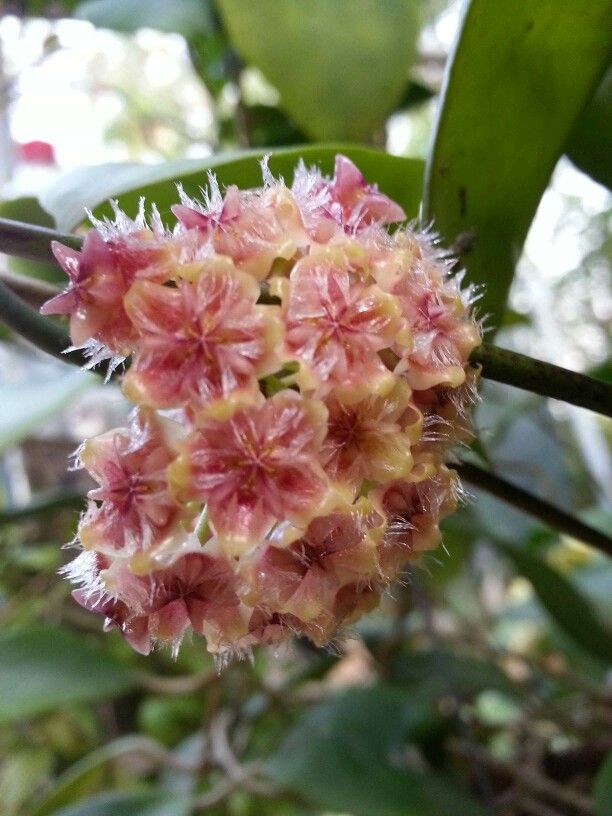
448 Best Hoya Images On Pinterest Succulents Hoya Plants And Wax Flowers

Extremly Rare Lisa Wax Plant Hoya Australis Lisa Image 2 In 2020

Hoya Onychoides Hoya Archboldiana Pink In 2020 Hoya Plants
Posting Komentar untuk "The Pink Hoya Plant: A Stunning Addition to Your Indoor Garden"